In a historic building, joinery carries the character. Get the profiles & proportions right & new work simply belongs; get them wrong & nothing else rescues it.
Matching what is already there
Traditional joinery is copied from the building itself - section sizes, mouldings, glazing bar thicknesses, panel proportions & ironmongery all taken from surviving originals rather than from a catalogue.
Where nothing survives, the reference comes from comparable elements elsewhere in the property.
Made to the opening, not to a size
Historic openings are rarely square or consistent. Our joiners measure each one individually. At Widcombe that meant 38 windows for one house, several with arched heads & no two identical, handcrafted in Accoya.
At Thurloxton Manor the sash windows were made in our workshop to match the rest of a Grade II listed building.
Beyond windows
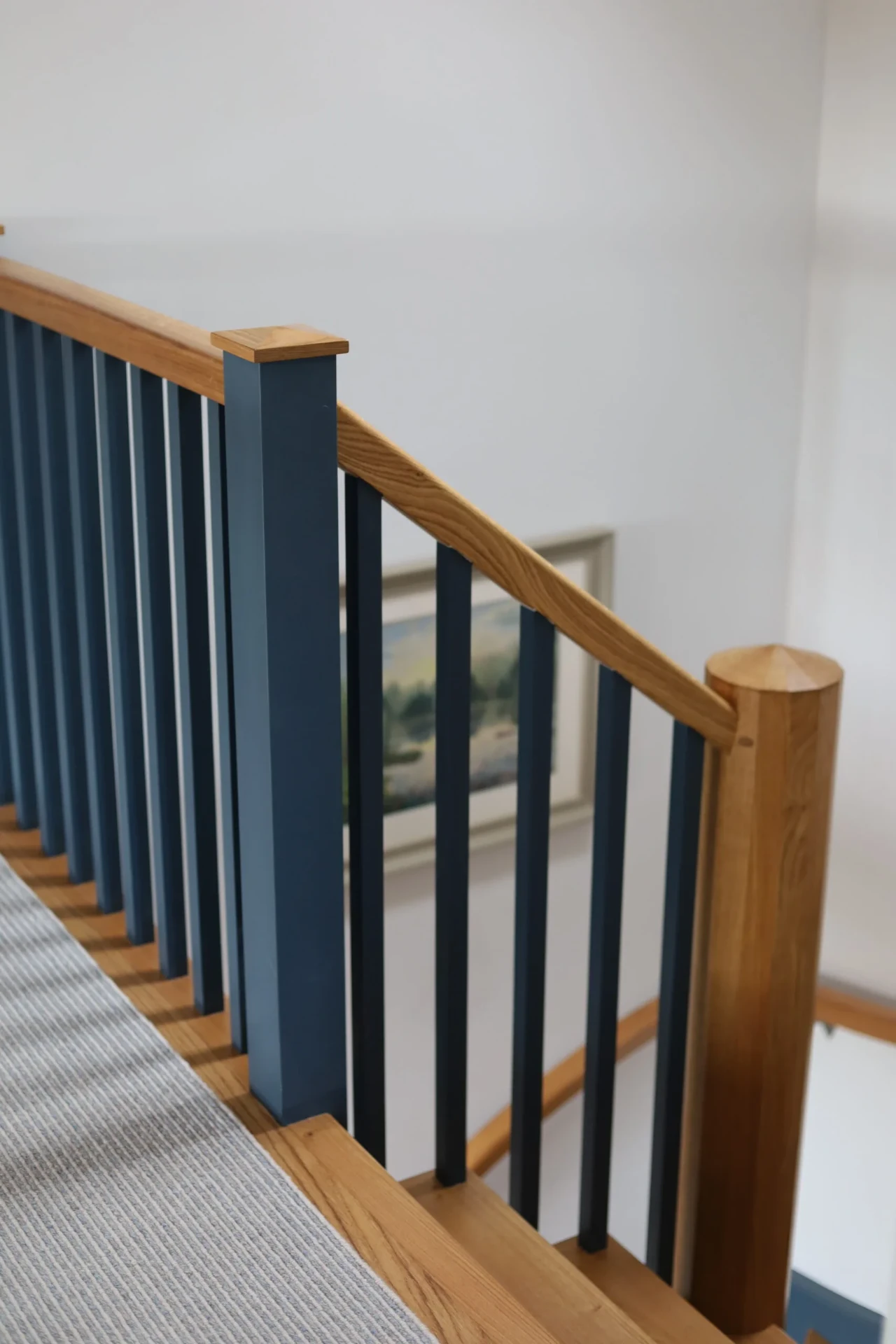
The same workshop makes doors, staircases, panelling, built-in shelving & cabinetry. Being able to produce all of it in one place keeps detailing consistent across a whole house.
It also means a repair to an original element & a new piece alongside it are made by the same hands.
Timber & finish
Species, moisture content & finish all affect how joinery ages. Modified timbers such as Accoya offer stability & longevity where exposure is severe; traditional hardwoods & softwoods remain appropriate elsewhere.
The decision belongs with the building & its exposure, not with habit.
Benjamin Henry Ltd provides heritage & listed building services across Somerset & the South West, from traditional masonry & structural repair to bespoke joinery made in our own workshop.
Related Reading